
Innovating Critical Learning in the Digital Age
Slide 1: Introduction
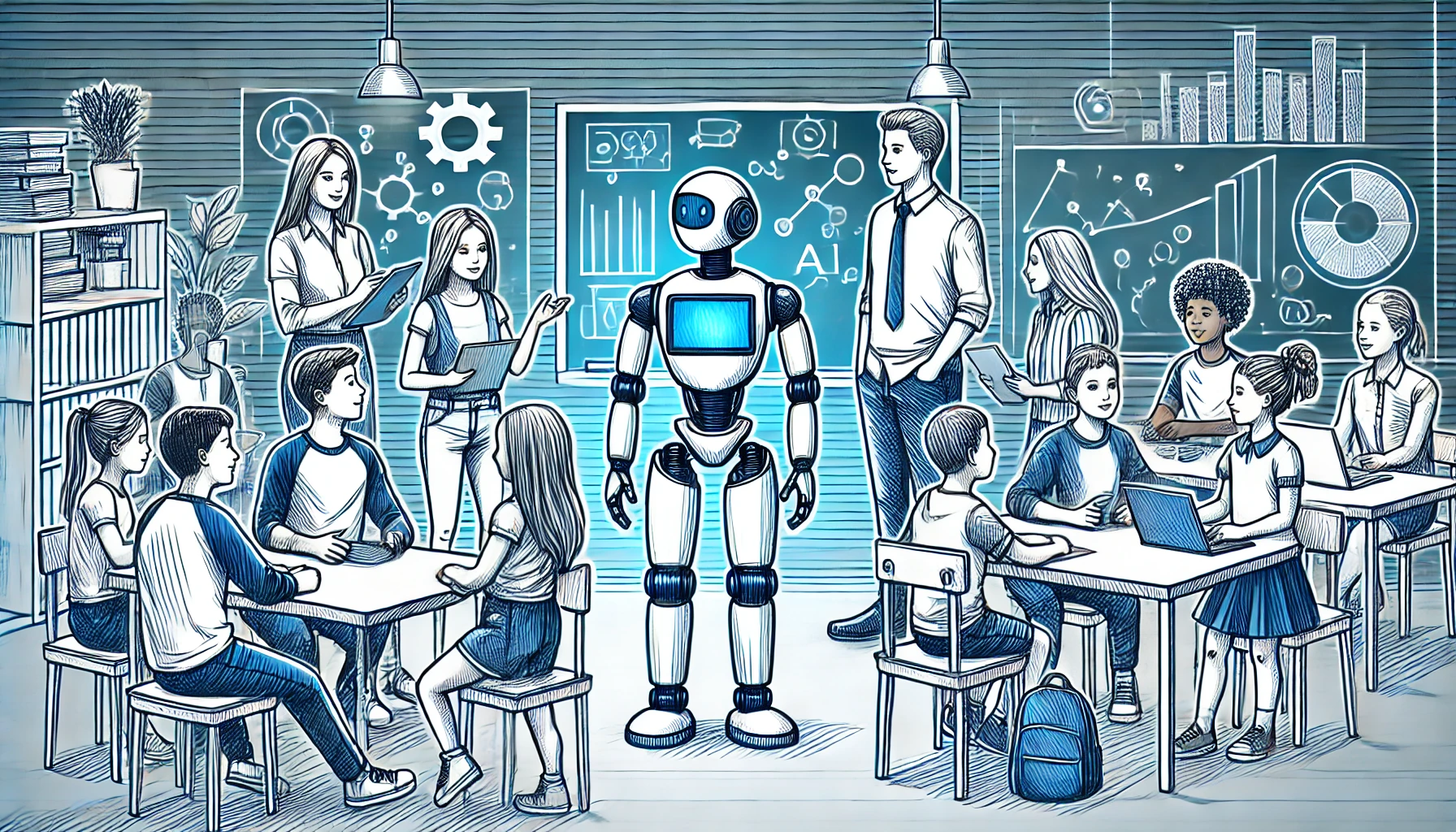
“Welcome, everyone. Today, we’ll explore the AI Challenge, an innovative educational methodology that integrates artificial intelligence into the learning process. This approach not only promotes critical thinking and digital skills but also aims to prepare students for the demands of the information age.”
Slide 2: Key Principles
“The AI Challenge is built on several key principles:
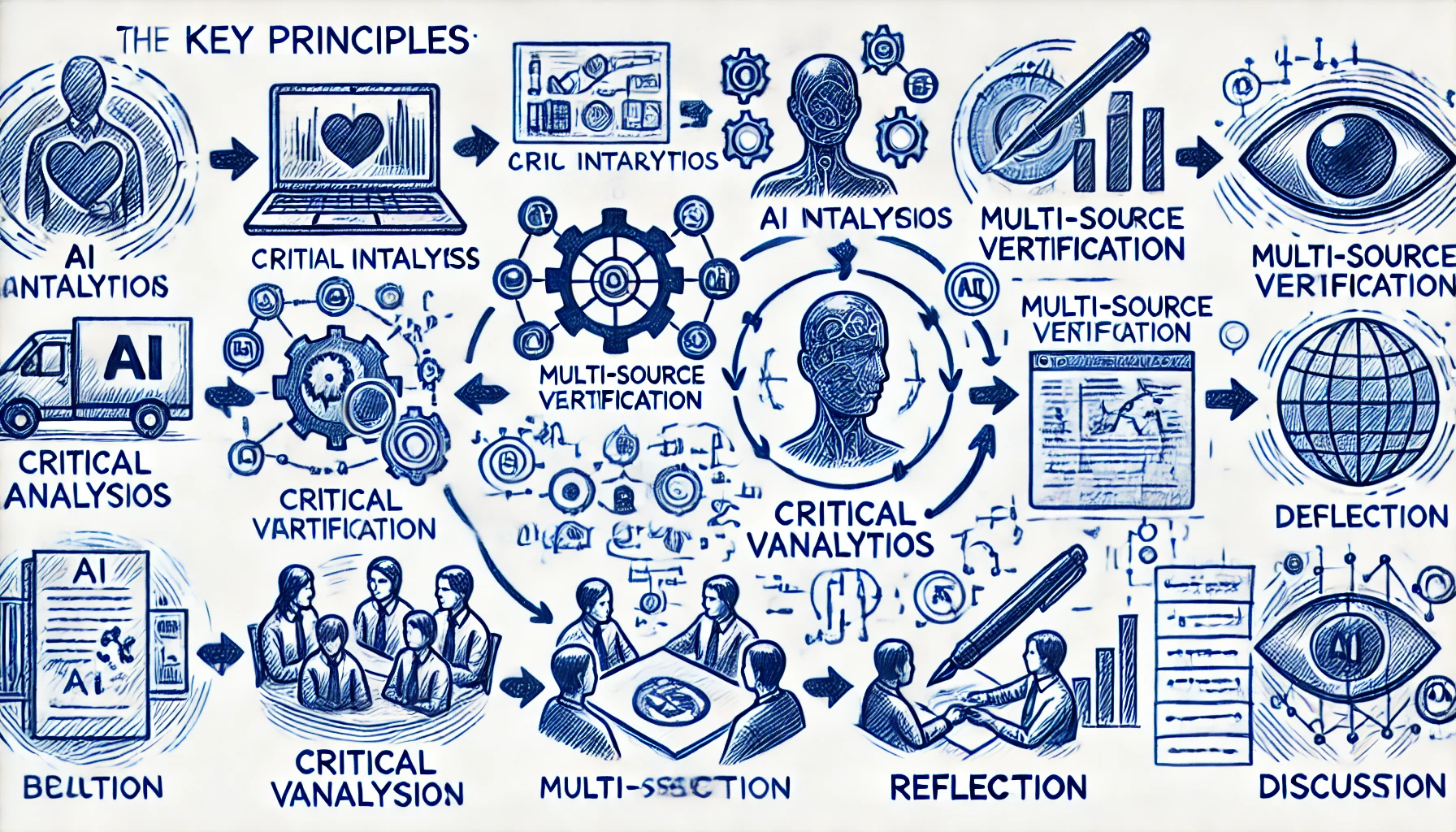
- Direct interaction with AI systems to familiarize students with these tools.
- Critical analysis of the information provided by AI to develop scrutiny.
- Verification of information through multiple sources to ensure accuracy.
- Encouragement of reflection and discussion on the results to deepen understanding.”
Slide 3: The AI Challenge Learning Cycle
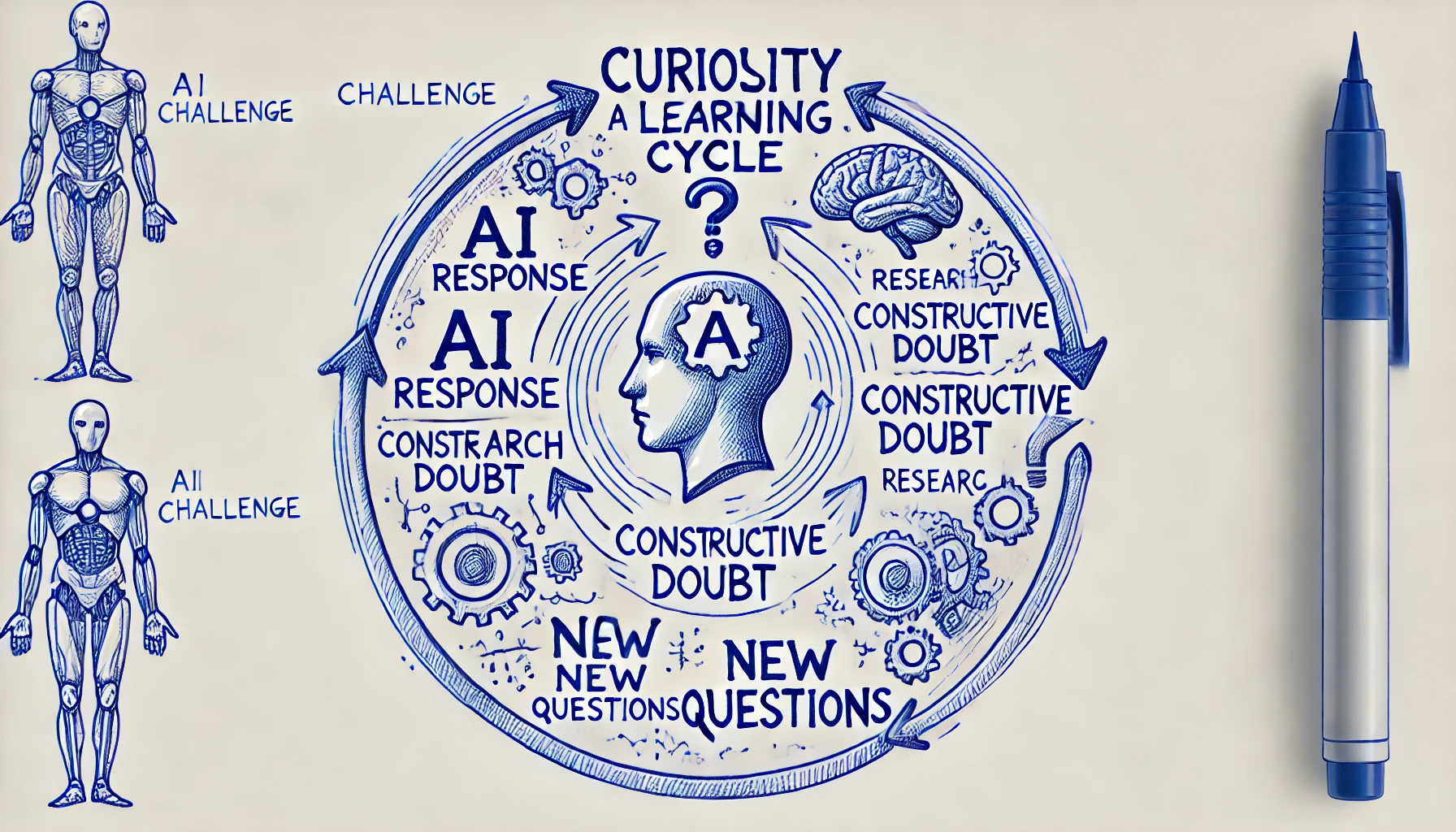
“This methodology follows a structured learning cycle:
- Curiosity and Questioning to initiate the learning process.
- AI Response provides initial answers or information.
- Constructive Doubt encourages skepticism and critical evaluation.
- Research and Verification to confirm or refute AI-provided information.
- Synthesis and Understanding to integrate the verified information.
- New Questions to continue the learning cycle.”
Slide 4: Role of the Educator

“In this model, educators act as facilitators and guides rather than primary sources of information. They structure the learning environment, guide the inquiry process, stimulate critical thinking and reflection, and support students in their analysis and verification efforts.”
Slide 5: Main Objectives

“The main objectives of the AI Challenge are:
- To promote critical thinking.
- Enhance digital literacy.
- Develop research skills.
- Encourage autonomous learning.
- Foster collaboration among students.”
Slide 6: Key Competencies
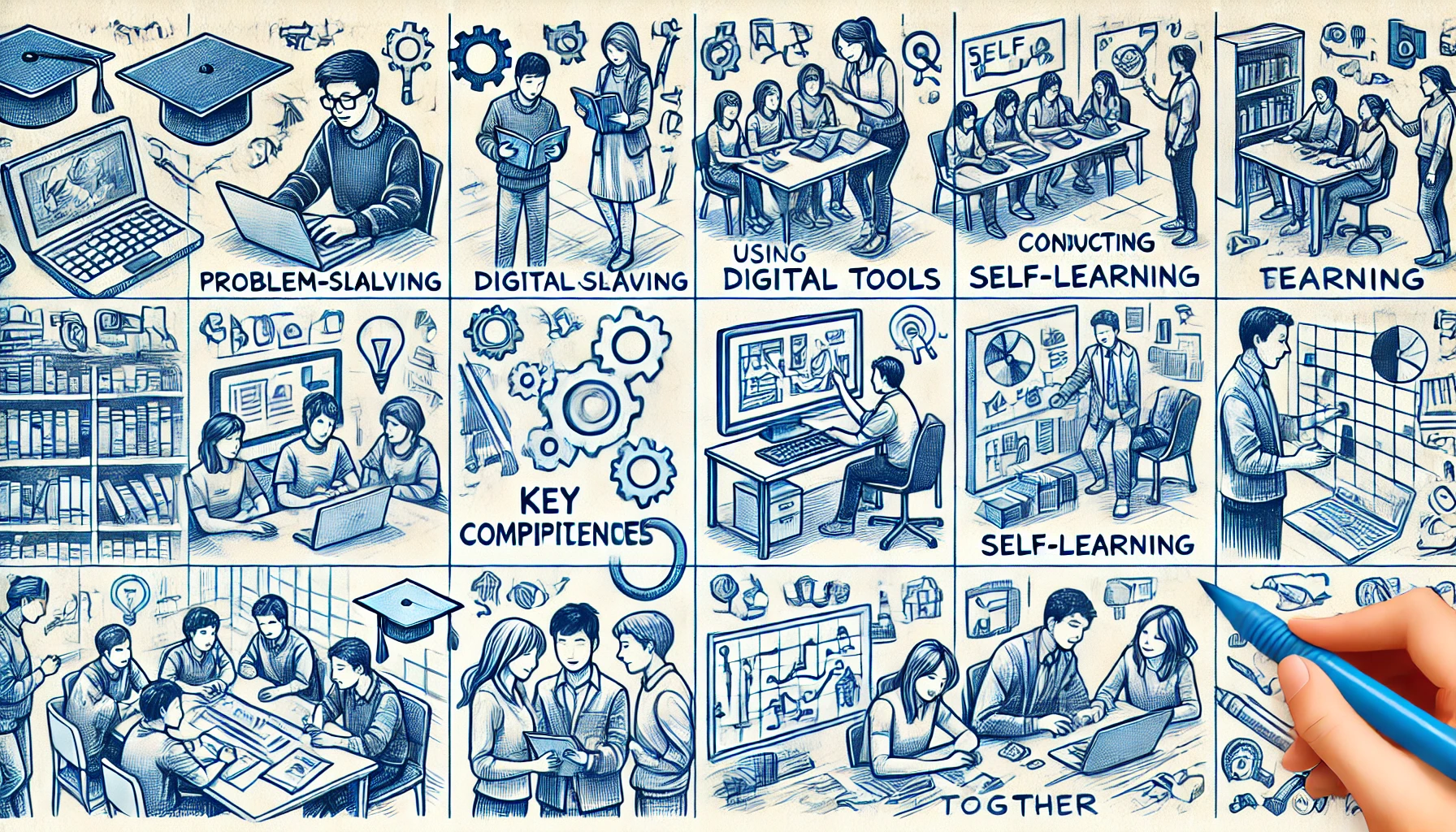
“Students will develop several key competencies through this approach:
- Critical thinking and problem-solving skills.
- Digital and information literacy.
- Research and verification skills.
- Metacognition and autonomous learning capabilities.
- Collaboration and communication skills.”
Slide 7: Practical Implementation – Classroom Structure (60 min)
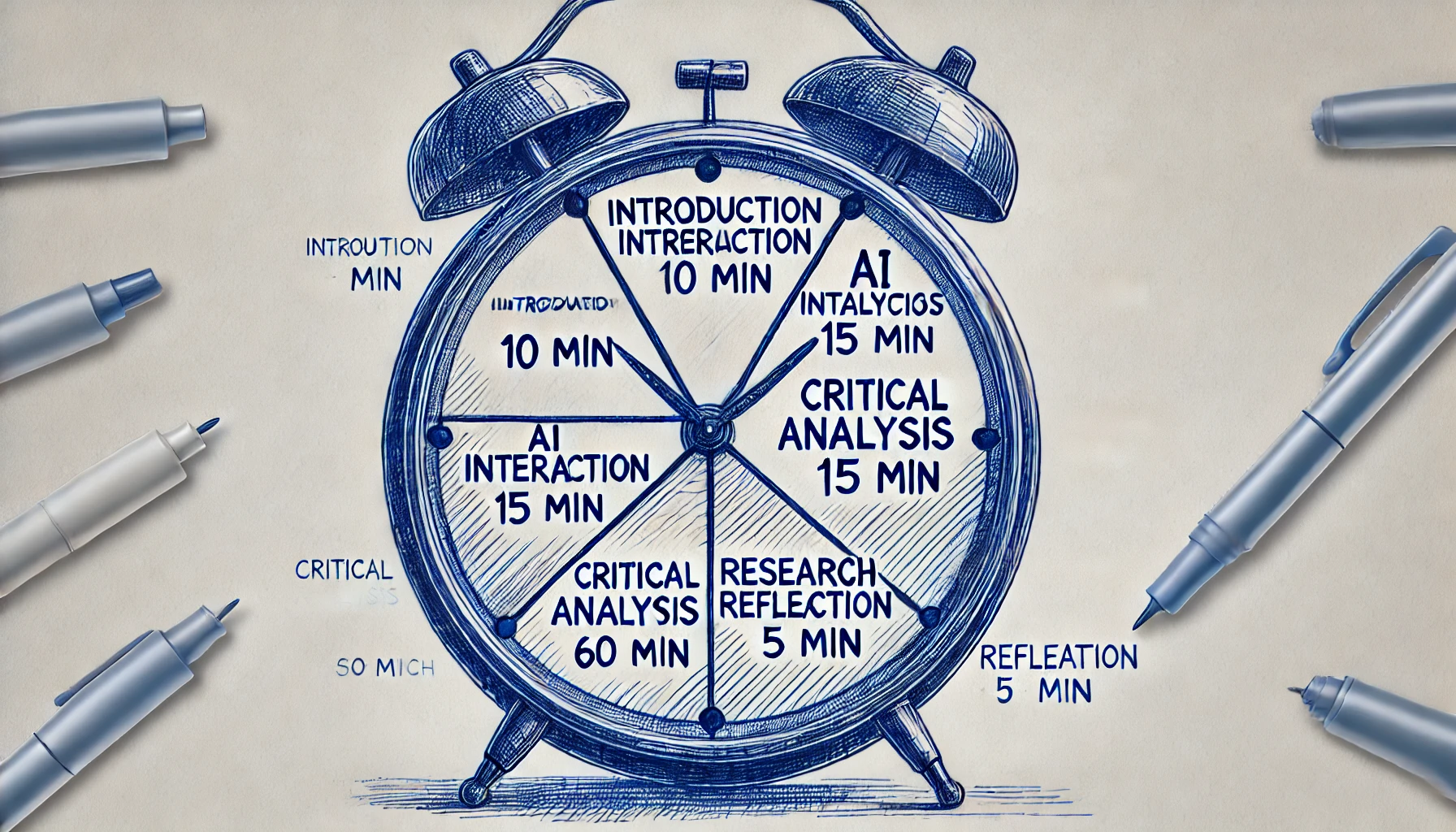
“Here’s how a typical 60-minute class might be structured:
- 10 minutes for introduction and contextualization.
- 15 minutes for interaction with AI.
- 15 minutes for critical analysis.
- 15 minutes for research and verification.
- 5 minutes for reflection and synthesis.”
Slide 8: Hybrid Implementation (Flipped Classroom)

“The AI Challenge can also be implemented in a hybrid or flipped classroom model:
- Pre-lesson: Students watch an introductory video, do readings, and have initial AI interactions.
- In-class: They engage in discussion, in-depth AI interaction, and group analysis.
- Post-lesson: They work on an in-depth project and write reflections on their learning experience.”
Slide 9: Case Study – German Studies

“Let’s look at a case study in German Studies. Imagine an interview with Heinrich Böll, where the AI generates responses in German. Students analyze these responses, conduct research to verify the information, and then create a biographical profile, reflecting on the entire process.”
Slide 10: Pedagogical Foundations
“The AI Challenge is rooted in several pedagogical foundations:

Slide 11: Pedagogical Foundations
- Constructivism (Piaget, Vygotsky): Knowledge is constructed through interaction with the environment and others. In the AI Challenge, students build understanding through active engagement with AI tools, which provide interactive and adaptive learning experiences.
- Discovery Learning (Bruner): Learning is most effective when students discover information for themselves. The AI Challenge encourages students to explore, ask questions, and use AI to discover answers, promoting self-guided learning.
- Critical Thinking (Ennis): The ability to think clearly and rationally, understanding the logical connection between ideas. In the AI Challenge, students critically analyze AI-generated information, questioning its validity and cross-referencing with multiple sources to develop well-founded conclusions.
- Digital Literacy (Gilster): The ability to understand and use information in multiple formats from a wide range of sources when it is presented via computers. Students enhance their digital literacy by interacting with AI systems, learning to navigate, interpret, and evaluate digital information effectively.
- Connectivism (Siemens): Learning occurs across a network of connections, often leveraging technology. The AI Challenge promotes learning through a networked environment where students connect with AI systems, digital resources, and each other to gather and synthesize information.
Slide 11: The Scientific Method in AI Challenge

“This approach mirrors the scientific method:
- Verifiability: Collect evidence and compare multiple sources.
- Falsifiability: Identify testable predictions and seek counterexamples.
- Implementation: Formulate hypotheses and design experiments.”
Slide 12: Rethinking Homework in the AI Age

“In the AI era, traditional homework faces challenges. The AI Challenge offers an innovative solution, emphasizing the importance of rethinking homework to align with current technological advancements.”
Slide 13: Challenges and Future Considerations
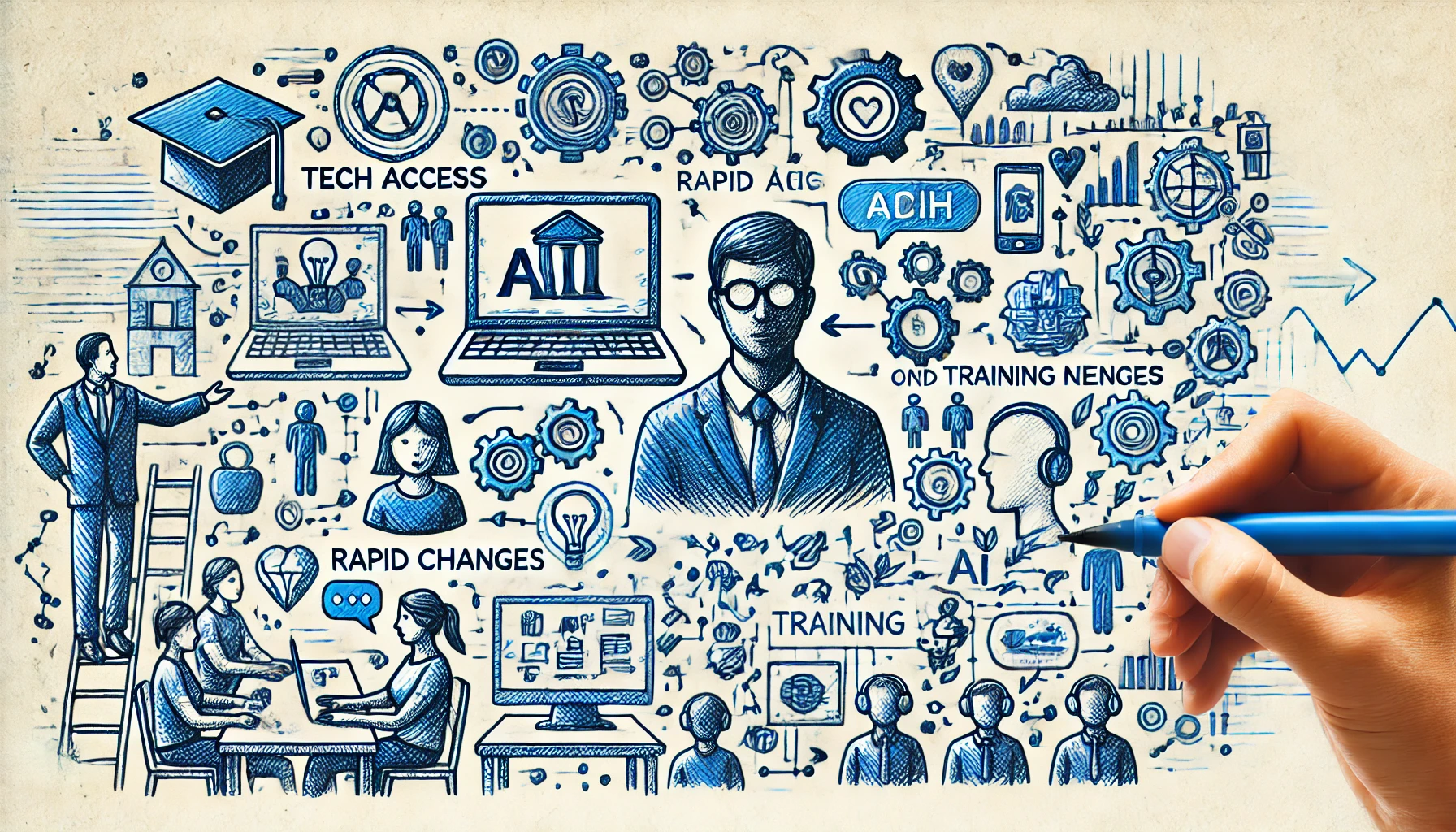
“As we move forward, we need to address several challenges:
- Providing adequate teacher training.
- Ensuring equitable access to technology.
- Adapting to rapid AI advancements.
- Developing appropriate assessment methods.”
Slide 14: Conclusion

“In conclusion, the AI Challenge represents a step towards a new educational paradigm. It cultivates knowledge, wisdom, and critical thinking, preparing students for an AI-driven future and revitalizing homework for the digital age.”
Slide 15: Final Thoughts
“By cultivating informed citizens and critical thinkers, the AI Challenge promotes lifelong learning in an AI-driven world. Thank you for your attention. I’m now happy to take any questions.”
 Salahzar's Weblog
Leave a comment